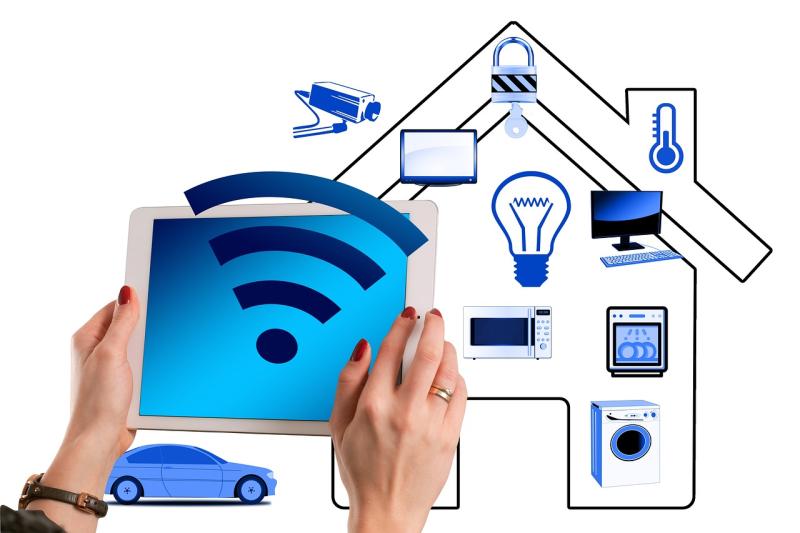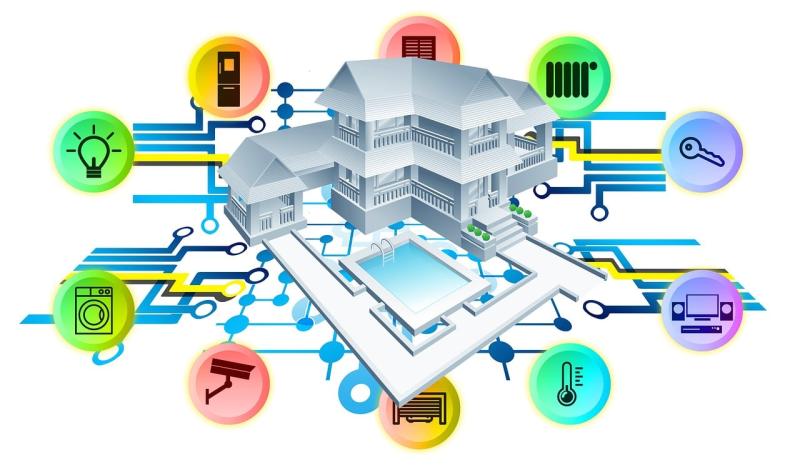
WiFi home automation brings a ton of perks to the table. First off, that wireless freedom is a game changer. You can set up devices anywhere without worrying about running cables through your walls. This means no mess and less hassle when you want to add or move gadgets around your home.
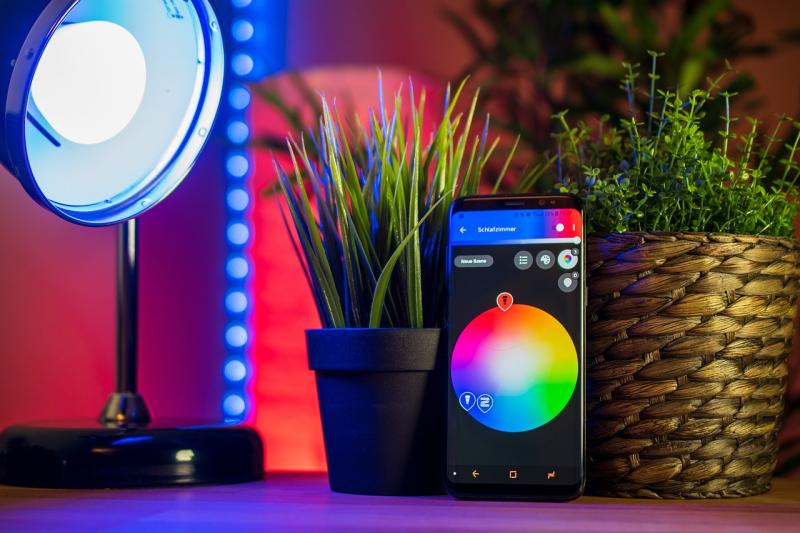
Another big plus is remote access. With WiFi, you can control your devices from anywhere using your smartphone. Imagine adjusting your thermostat while you’re at work or turning on your lights before you get home. It makes life easier and adds an extra layer of convenience.
Setting up WiFi devices is usually a breeze. Most gadgets come with user-friendly apps that guide you through the installation process. No need for a professional installer or complicated setups. Just follow the steps on your screen, and you’re good to go!
Also, WiFi products often get updates directly from the manufacturer. This means your devices can improve over time, thanks to new features or security patches. Staying up-to-date keeps your home safe and ensures you’re using the latest technology without needing to buy new devices every few months.
Lastly, many WiFi devices work together seamlessly. They're often compatible with popular smart home ecosystems, so you can create all sorts of cool automations. Whether it's setting your lights to turn on at sunset or having your coffee maker start brewing as soon as your alarm goes off, the possibilities are endless!
Wired Home Automation Advantages
If you’re considering home automation, wired systems offer several benefits that can really enhance your setup. For starters, you can count on a stable and reliable connection. Unlike Wi-Fi, which can slow down or drop out, wired systems deliver consistent performance. No more frustrating moments when your smart devices lag or disconnect.
Wired installations often have better security too. Since the connection is direct and not reliant on Wi-Fi signals, it’s less vulnerable to hacking and interference from other devices. This means your data and automation are much safer, giving you peace of mind.
Wired systems also tend to work well with smart home devices that require lots of power, like security cameras or smart locks. With their own dedicated power source, these devices run smoothly, and you won’t have to worry about battery life issues popping up when you need them the most.
Setting up a wired system can take a bit of time and effort, sure. But once it's in place, you're often looking at a longer lifespan and fewer headaches down the road. Everything is neat, tidy, and less prone to issues that can come up in a crowded Wi-Fi environment.
Key Differences Between Wifi and Wired
When it comes to home automation, figuring out whether to go with WiFi or wired connections can feel a bit overwhelming. Let’s break down the key differences that really matter.
First up, speed. Wired connections, like Ethernet, typically offer faster speeds. This means your smart devices can communicate more quickly, especially if you’ve got multiple devices hogging the bandwidth. WiFi can be slower because it shares the air with other devices, not just yours. If you’re running a lot of gadgets, or doing heavy tasks like streaming, a wired network might be the way to go.
Next, we have reliability. Wired connections are generally more stable. They don’t go down as easily or get interrupted by walls or distance like WiFi signals do. If you want a seamless experience without drops in connection—especially for devices like security cameras or home assistants—wired is often the safer bet.
Now, let’s chat about installation. Setting up WiFi is a breeze: just plug in your router and you’re good to go. Wired systems can be a bit trickier. You might need to run cables through walls or hire an electrician. If you’re into DIY projects, this could be a fun challenge, but it’s not for everyone.
Lastly, think about mobility. WiFi gives you the freedom to move around with your devices. You can access your smart home controls from anywhere within your network's range. If you love the idea of controlling things from your couch or while lying in bed, WiFi shines here. Wired setups, on the other hand, keep devices in fixed locations, which can limit flexibility.
Making the Right Choice for You
Choosing between WiFi and wired home automation can feel like a tricky decision, but it really comes down to your needs and lifestyle. Let’s break it down.
WiFi systems are all about convenience. They’re typically easy to set up and let you control everything from your phone, no matter where you are. If you love the idea of adjusting your thermostat or checking security cameras while sipping coffee at a cafe, WiFi is the way to go. Just be sure your WiFi signal is strong enough throughout your home.
On the flip side, wired systems might be a better fit if you crave reliability and speed. They often provide a stronger connection without interruptions. If you have a larger home or live in an area with spotty WiFi, wired could be your best bet. It’s super dependable, which is perfect for those devices that need a constant stream, like security cameras and smart home hubs.
Think about how many devices you’ll be connecting. If you have a ton of smart gadgets, wired might handle the load better. But if you want flexibility and hate dealing with cables, go for WiFi. It’s all about what feels right for you and your space.
Ultimately, it’s about how you live. Take some time to consider what’s most important—convenience or reliability? With a little thought, you’ll find the right setup that makes your smart home dreams a reality!